
The Nature Conservancy: Preserving Nature for Future Generations The Nature Conservancy stands as one of the […]

Critical/Controversy-Focused Learning Critical/controversy-focused learning (CL) is a pedagogy that emphasizes exploration of controversial topics, issues, and […]

Technology Transfer: UNRISD Empowers Developing Nations to Adopt Sustainable Waste Practices Introduction: Waste management poses significant […]
Ghana’s Struggle to Manage Hazardous Waste with Incineration Introduction: Ghana, West Africa’s second-largest nation, grappling with […]

Greenpeace: A Global Environmental Advocacy Organization Greenpeace is a non-governmental organization (NGO) that campaigns to address […]

Forging a Path Through the Ashes: The Evolution of Animal Cremation in Niger Within the Sahara’s […]
The World Wildlife Fund (WWF) Introduction The World Wildlife Fund (WWF) is an international non-governmental organization […]

A Clean Future for Gabon: Ecological Incinerator Minimizes Environmental Footprint of Animal Waste Gabon, known for […]
UnitAR’s Waste Management Research: Guiding Policy and Practice for Sustainability Introduction: Climate change, population growth, and […]
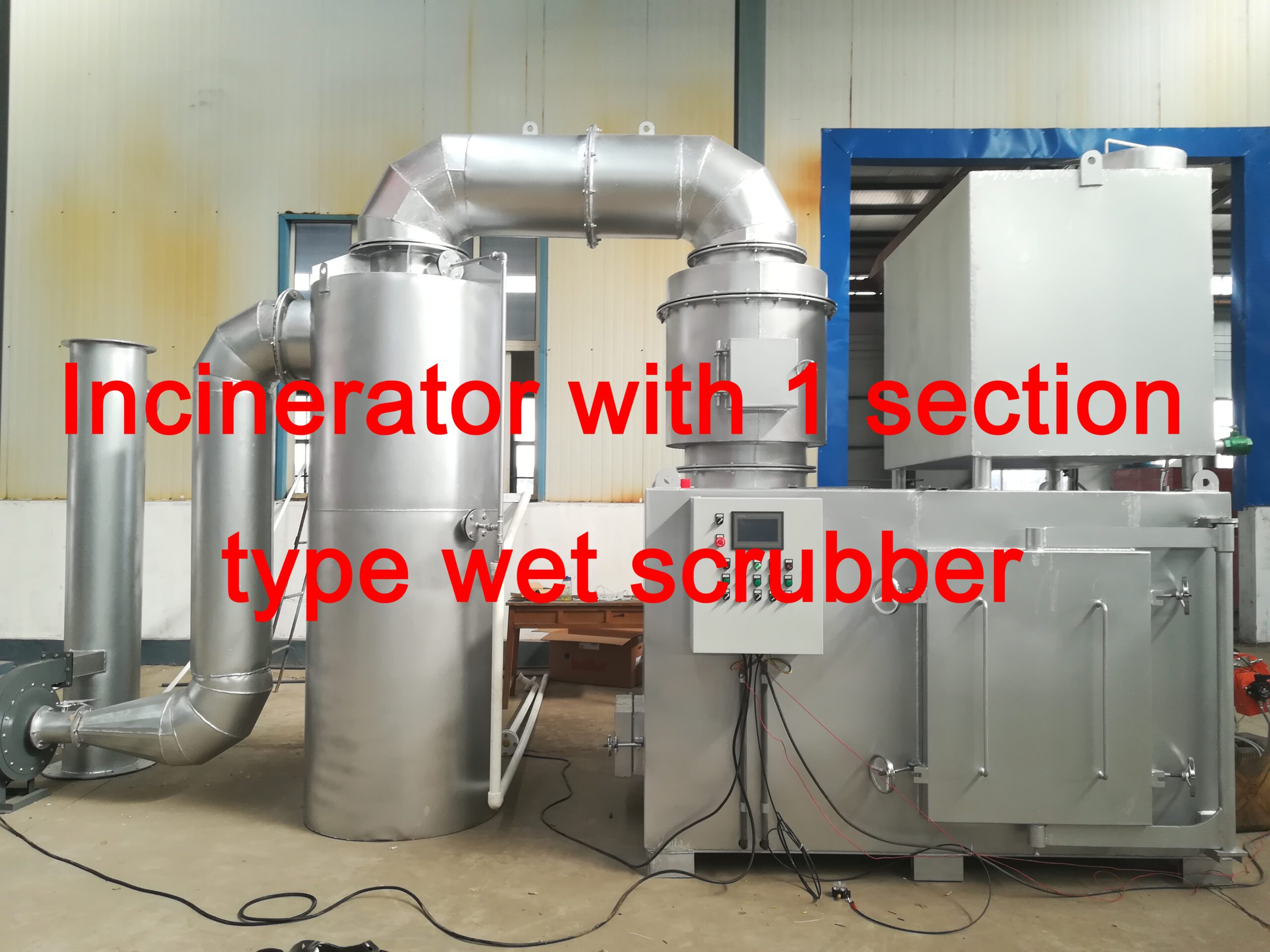
Burning rate: 100 – 120 kg/hour Minimum operating temperature: 8500c (Primary combustion) Maximum operating temperature: 14500c (afterburner chamber) Secondary Burning capacity: Compulsory. Density insulation: 20 mm high Refractory casting:minimum 65mm Heavy-duty refracting lining to withstand:15000c