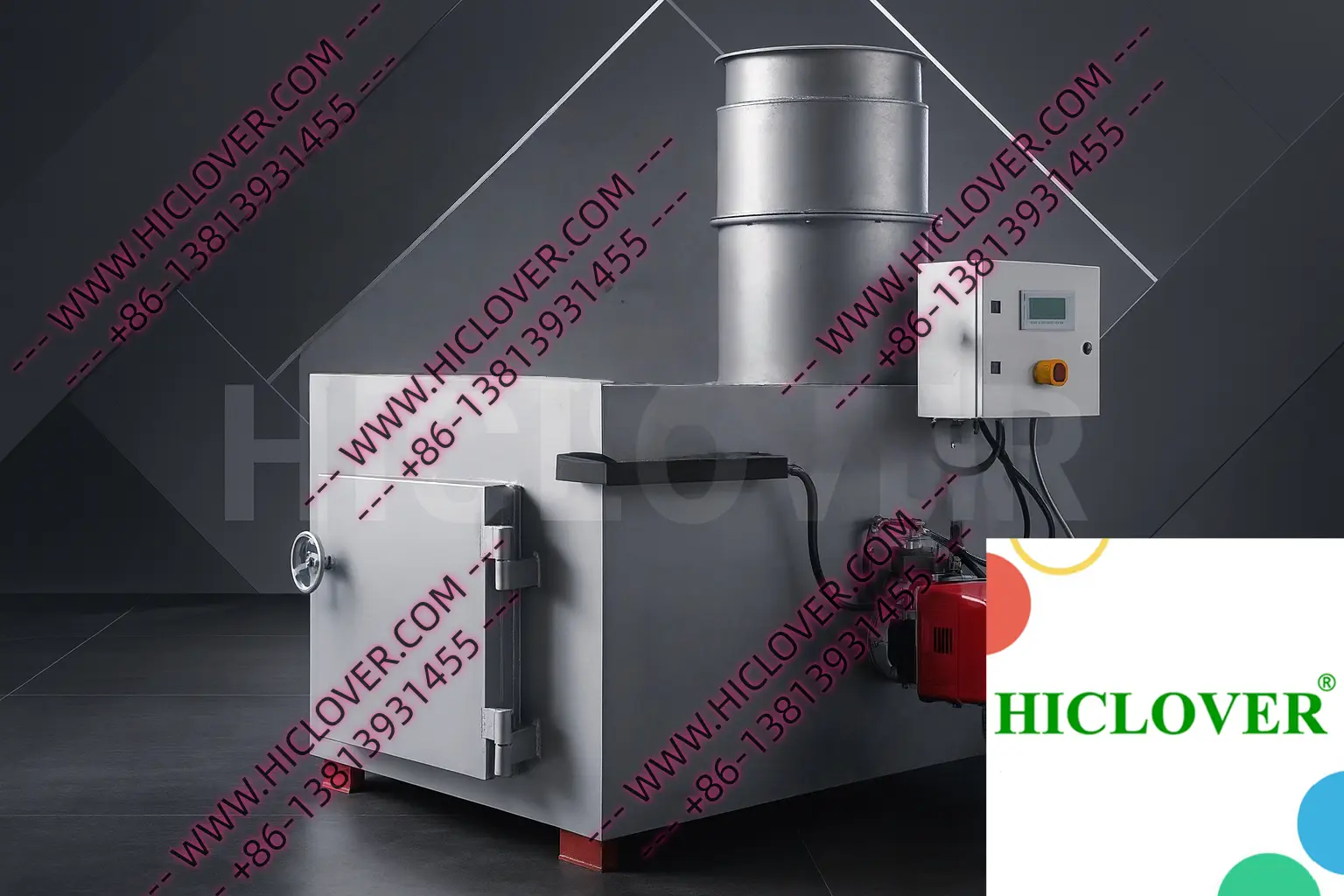
The Integration of HICLOVER Waste Incinerators in Modern Waste Management
In the realm of waste management, the role of waste incinerators has become paramount, particularly in regions such as Cote d’Ivoire, Chad, Mauritius, Gabon, and Togo. The HICLOVER waste incinerator stands out for its engineering reliability and adherence to industrial standards. Designed to operate efficiently at high temperatures, typically ranging from 850°C to 1100°C, these systems ensure effective combustion of various waste types, including medical and hazardous materials. Understanding the technical temperature standards and combustion principles associated with these incinerators is crucial for engineers and technical professionals engaged in waste management solutions.
1. Technical Specifications and Features of HICLOVER Waste Incinerators
The HICLOVER waste incinerator is engineered to meet the rigorous demands of modern waste disposal. Below are key specifications that highlight its technical capabilities:
- Dual Combustion Chambers: The incinerator features a dual-chamber system that allows for complete combustion of waste materials. This design ensures that volatile organic compounds and particulates are thoroughly incinerated, adhering to stringent emission standards.
- Multi-Fuel Capability: HICLOVER systems can operate on various fuels, such as diesel, LPG, and natural gas, providing flexibility for different operational contexts.
- Advanced Control Systems: The integration of PLC automation facilitates precise operation and monitoring, enhancing reliability and safety during incineration processes.
- Modular Design: The containerized modular systems enable quick deployment, making them ideal for remote sites such as humanitarian camps or crisis zones.
- Emission Control Options: HICLOVER offers optional dry or wet scrubbers for optimizing emissions, ensuring compliance with environmental regulations.
2. Comparative Analysis of Incinerator Types
When selecting an incinerator, understanding the differences between types is crucial. Here’s a comparison of the two primary categories:
- Fixed Incinerators: Typically used for large-scale operations, fixed incinerators require significant infrastructure and are often designed for high-capacity waste management. These systems are ideal for municipalities and healthcare institutions but may not be easily transportable.
- Containerized Incinerators: These mobile systems offer enhanced flexibility, allowing for quick setup and operation in diverse environments. They are particularly suitable for locations with limited waste management infrastructure, such as rural areas in Chad or Togo.
3. Regulatory Compliance and Emission Standards
Compliance with international regulations is a fundamental aspect of waste incineration. The HICLOVER waste incinerators are designed with these standards in mind:
- WHO Guidelines: The systems comply with World Health Organization (WHO) regulations for safe waste disposal, particularly for hazardous and medical waste.
- EU Emission Frameworks: HICLOVER products are engineered to meet European emission standards, which include limits on dioxins, furans, and particulate matter.
- Local Compliance: Each unit can be customized to adhere to local regulations, addressing specific environmental and health concerns pertinent to regions like Gabon and Mauritius.
4. The Importance of Temperature Retention in Waste Incineration
Effective waste incineration hinges on the ability to maintain high temperatures throughout the combustion process. The HICLOVER waste incinerator achieves this through:
- Insulated Chamber Design: Robust insulation materials ensure that the internal temperature remains consistent, allowing for complete combustion and minimal emissions.
- Continuous Operation Capabilities: HICLOVER systems are designed for long operational cycles, which is vital for managing large volumes of waste, especially in regions prone to waste accumulation.
- Real-time Monitoring: Advanced sensors provide continuous feedback on temperature and emissions, allowing for immediate adjustments to maintain optimal conditions.
5. Customized Solutions for Diverse Applications
The versatility of HICLOVER waste incinerators allows for tailored solutions across various sectors:
- Medical Waste Management: In healthcare facilities, such as in Mauritius, stringent disposal regulations necessitate specialized systems capable of handling infectious waste safely.
- Pet Cremation Equipment: In Chad, the demand for pet incineration equipment is addressed through HICLOVER’s specialized designs, which ensure dignified cremation services.
- General Solid Waste Incineration: Municipalities can utilize HICLOVER systems for comprehensive waste management solutions, reducing landfill dependency and promoting energy recovery.
6. Engineering Experience and Supply Chain Stability
The engineering team at HICLOVER brings extensive experience in designing and manufacturing waste incinerators. This expertise is supported by a robust supply chain that ensures:
- Factory Direct Supply: Clients benefit from direct access to high-quality incinerator systems without intermediary markups.
- Global Export Capability: HICLOVER has successfully supplied incinerators to various regions, including Chad waste incinerator manufacturers from China, enhancing global waste management initiatives.
- Customizable Chamber Volume: Clients can specify chamber volumes based on their waste management needs, optimizing efficiency for various applications.
7. The Role of Digital Automation in HICLOVER Incinerators
The integration of digital technologies in waste management systems has revolutionized operations. HICLOVER’s use of PLC automation allows for:
- Remote Monitoring: Engineers can access system performance data in real-time, enabling proactive maintenance and operational adjustments from remote locations.
- Data Analytics: The collection of operational data supports continuous improvement initiatives and helps optimize waste-to-energy recovery processes.
- Enhanced Safety Features: Automated systems reduce the risk of human error, ensuring that safety protocols are maintained consistently during operation.
8. Conclusion: The Future of Waste Incineration with HICLOVER
As the world faces increasing pressures regarding waste management and carbon emission reductions, the HICLOVER waste incinerator represents a pivotal solution. With its advanced engineering, compliance with international standards, and adaptability to various waste types, it stands as a leader in the field. Adopting HICLOVER systems in regions like Cote d’Ivoire, Gabon, and Togo not only addresses local waste disposal challenges but also aligns with global sustainability goals. For more detailed information on HICLOVER solutions, visit HICLOVER’s official website.
Comments are closed